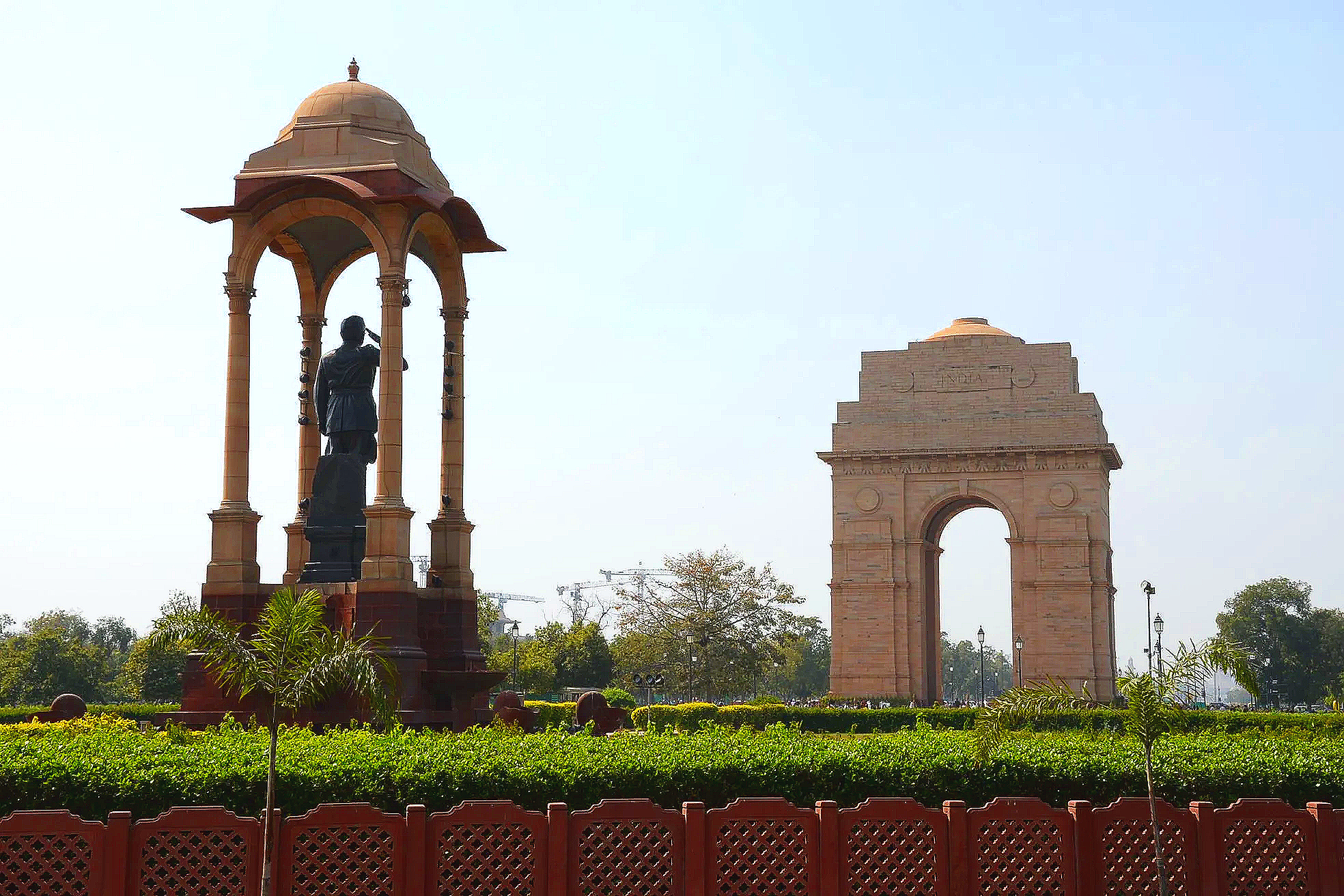
India
This vast subcontinent has a history that stretches deep into the prehistoric and a short, one-week visit was hardly enough to satisfy my curiosity or do justice to such a vast swath of human existence and experience. Still, you have to start somewhere, and this gallery represents our first, tentative step toward traveling and perhaps understanding, the history and peoples of this fabled land.
(click on the photos with text below to see more of each)
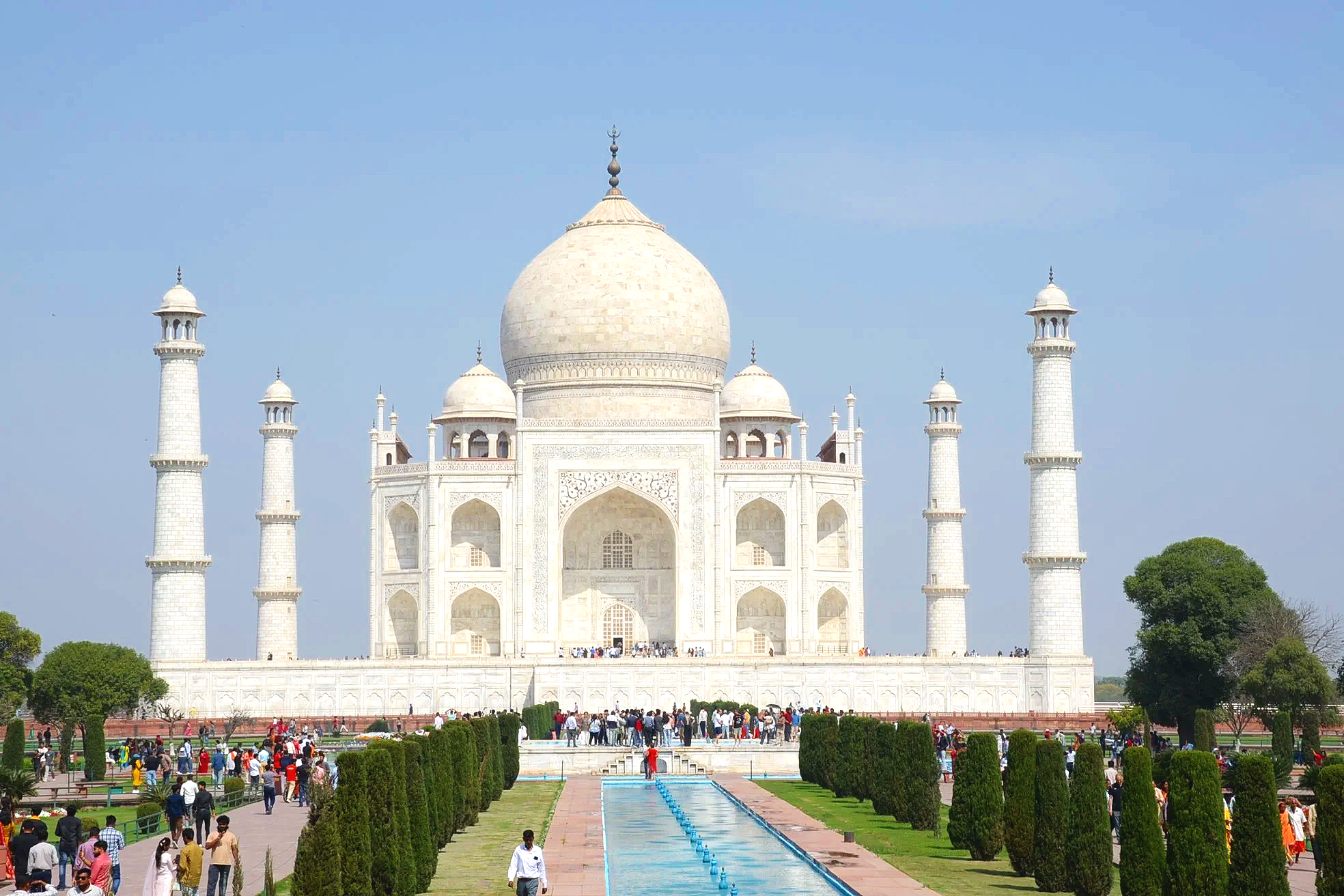
Taj Mahal
Everyone recognizes this iconic structure, the enduring symbol of the Mughal Empire in India. The story of how Emperor Shah Jahan built this mausoleum and vast garden complex—over the course of two decades— to honor his beloved wife Mumtaz Mahal is every bit as stirring.
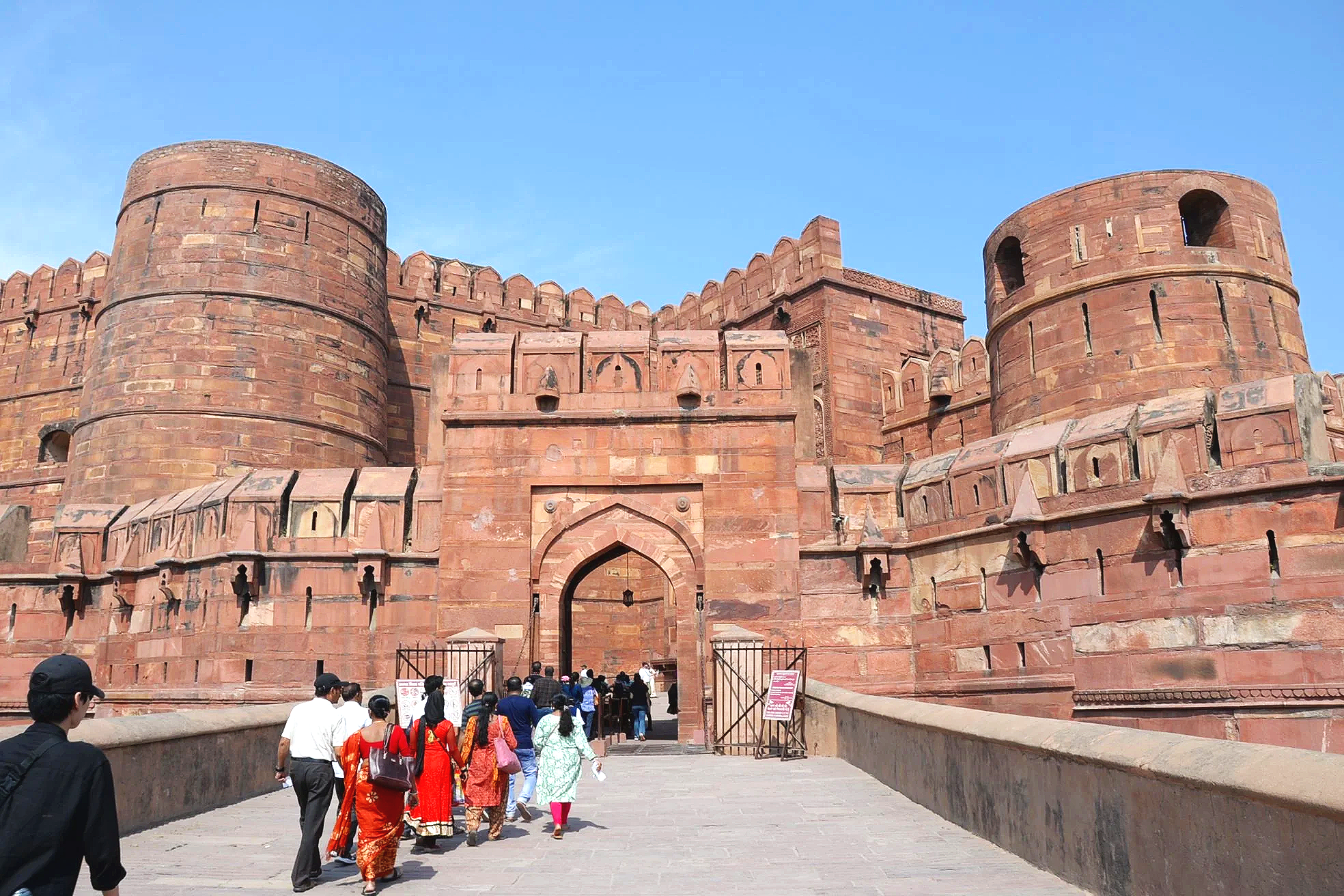
Agra Fort
Built to be the center of Mughal rule, Agra Fort stood as the capital of that empire for over a century. The imposing military stonework of the outer fortress contrasts greatly with the delicate marble, gold, and semi-precious inlays of the palace area to create an incredible experience for any modern visitor. The drama of Emperor Shah Jahan’s imprisonment—at the hands of his son, no less—only increases the mystique and allure.
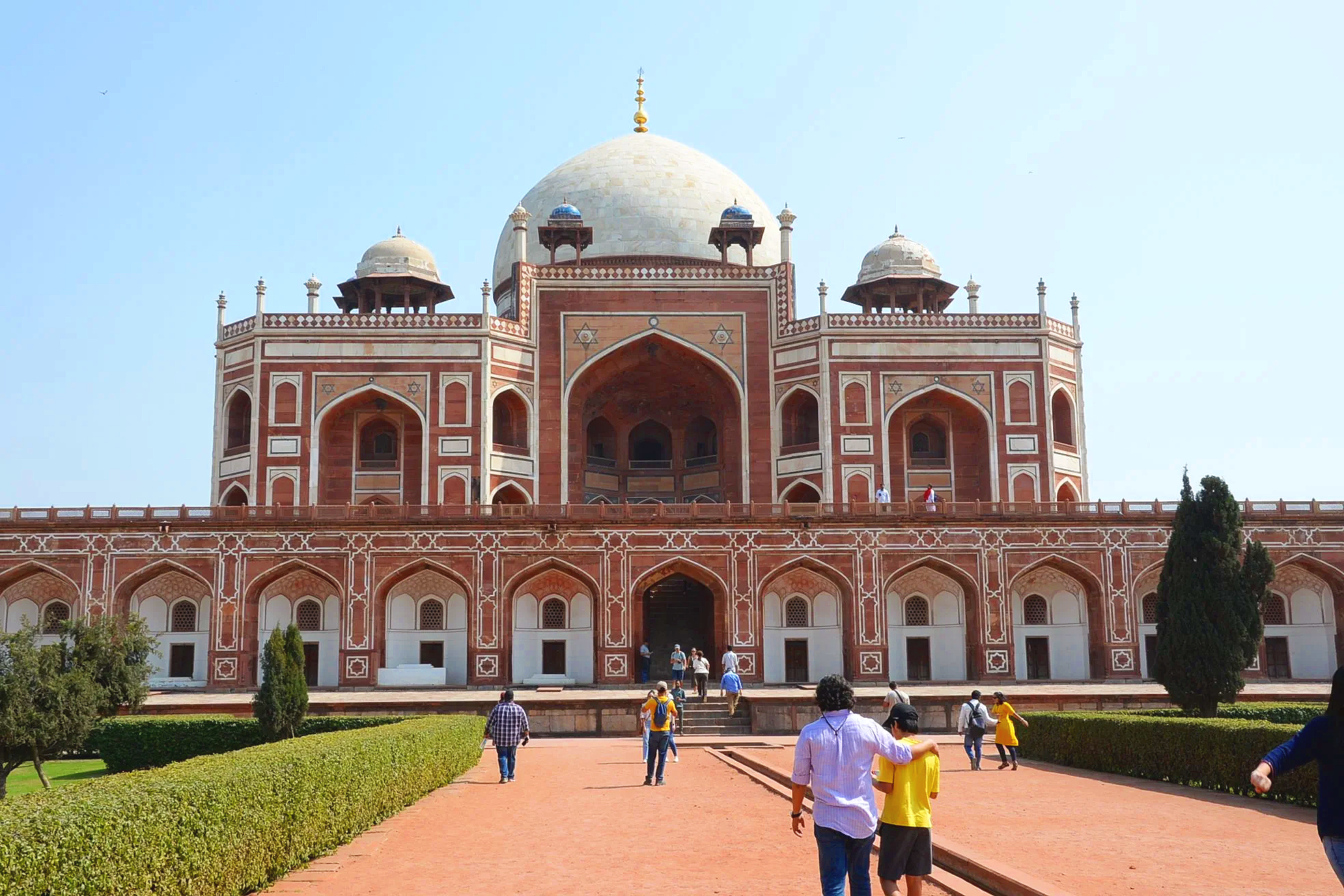
Humayun’s Tomb
This massive tomb and garden complex in Delhi is the final resting place of Emperor Humayun, the second ruler of the Mughal Empire. Believed to be the first Persian-style garden tomb constructed on the Indian subcontinent, it set the standard for Mughal monuments going forward and as such is seen as leading to the development of the opulent Mughal style on display at the more famous Taj Mahal in Agra.
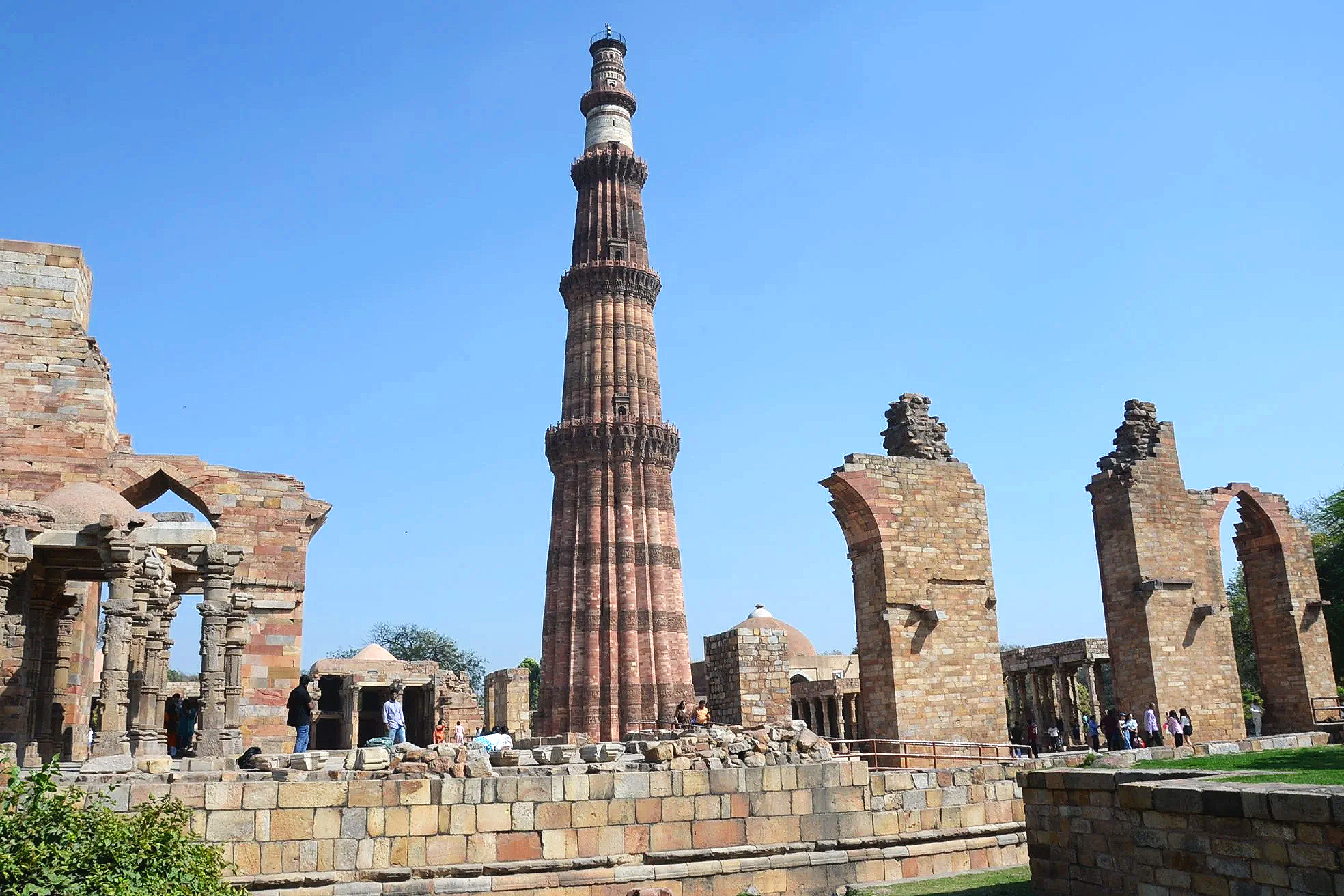
Qutb Minar
Constructed between 1199 and 1368, the massive minaret in New Delhi was built to commemorate the defeat in battle of the Delhi Sultanate’s last Hindu ruler. The tower and surrounding facilities—both intact and lying in ruins—remain a potent reminder of India’s complicated history. Another UNESCO World Heritage site, it’s well worth a visit!
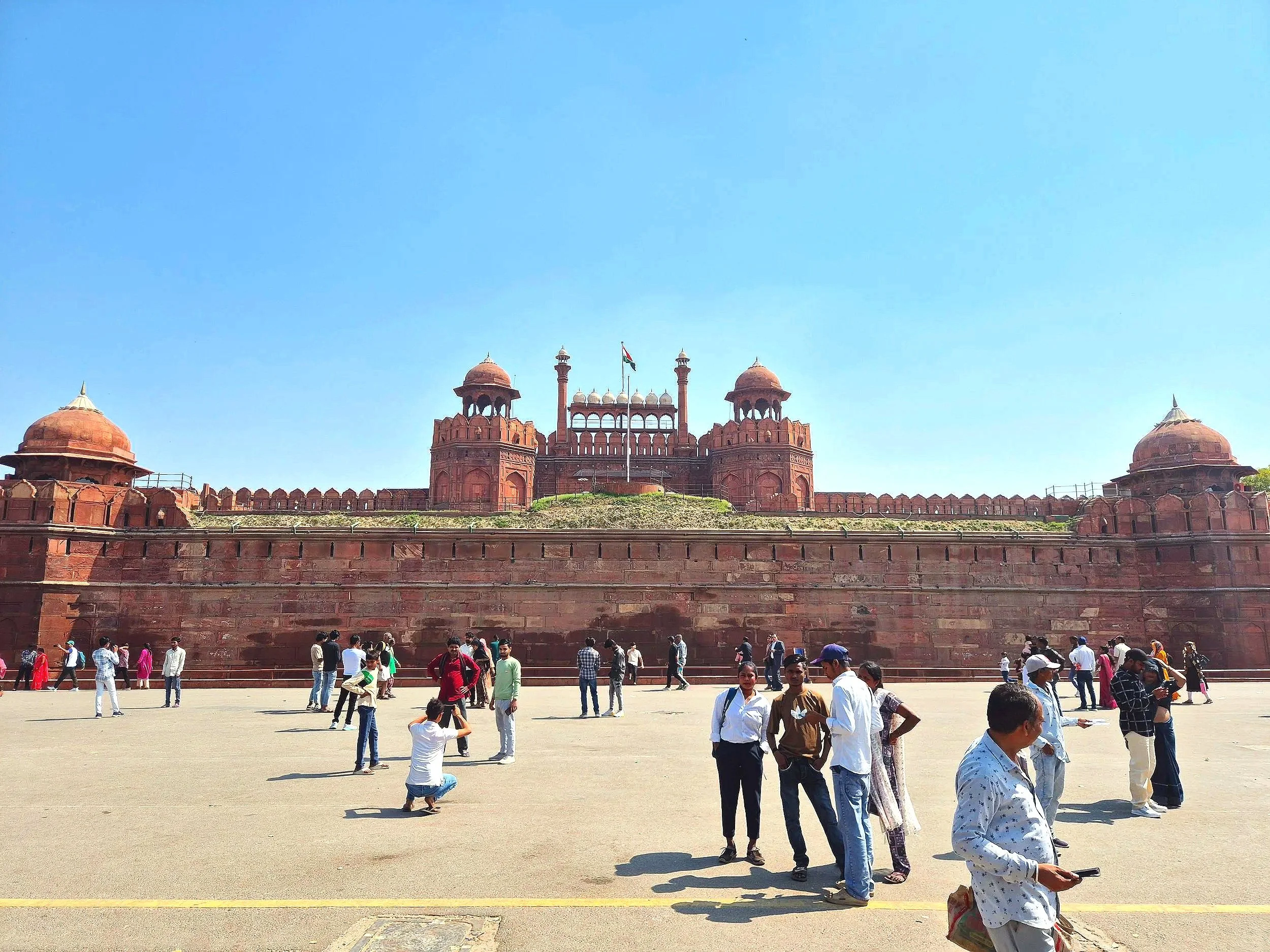
Red Fort
This UNESCO World Heritage fortress and palace complex served as the capital of the Mughal Empire from 1648 to 1857. It includes another gorgeous example of Mughal fortifications as well as the palace complex for the dynasty’s later imperial families. Red Fort also includes Victorian Era barracks and associated buildings from the period of British domination, making it a truly unique destination.
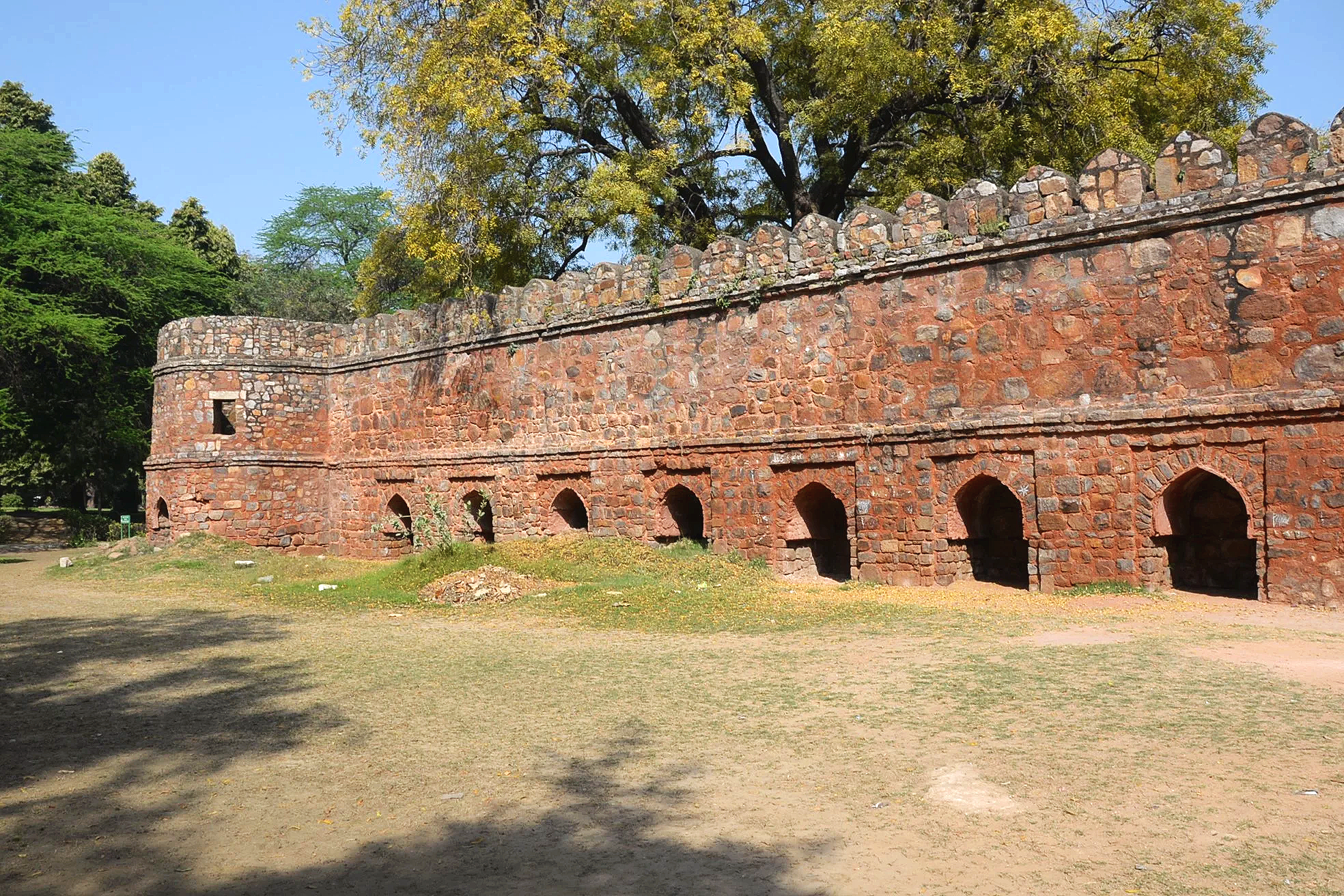
Lodi Gardens
These lush, scenic gardens on the west side of New Delhi are a favorite for picknickers and joggers, yet the grounds also host a wealth of pre-Mughal historical tombs and ruins. Well worth any amount of time spent there!
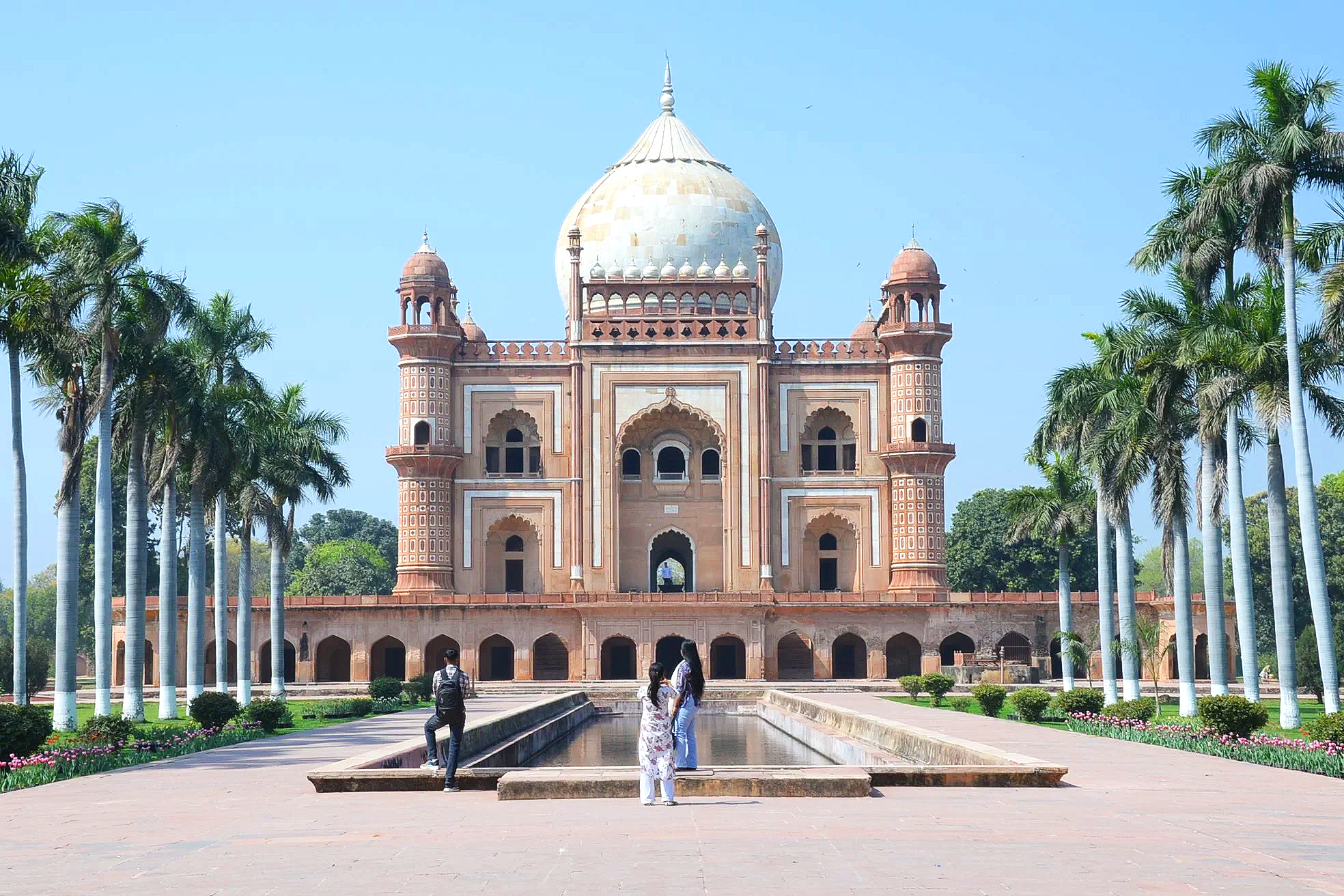
Safdar Jang’s Tomb
Mughal Prime Minister from 1748 to 1753, Safdar Jang was an extremely influential member of the later court. His tomb, rendered in the style of previous emperors, bears witness to the power he wielded in life, near the end of the Mughal Empire.
Old Fort
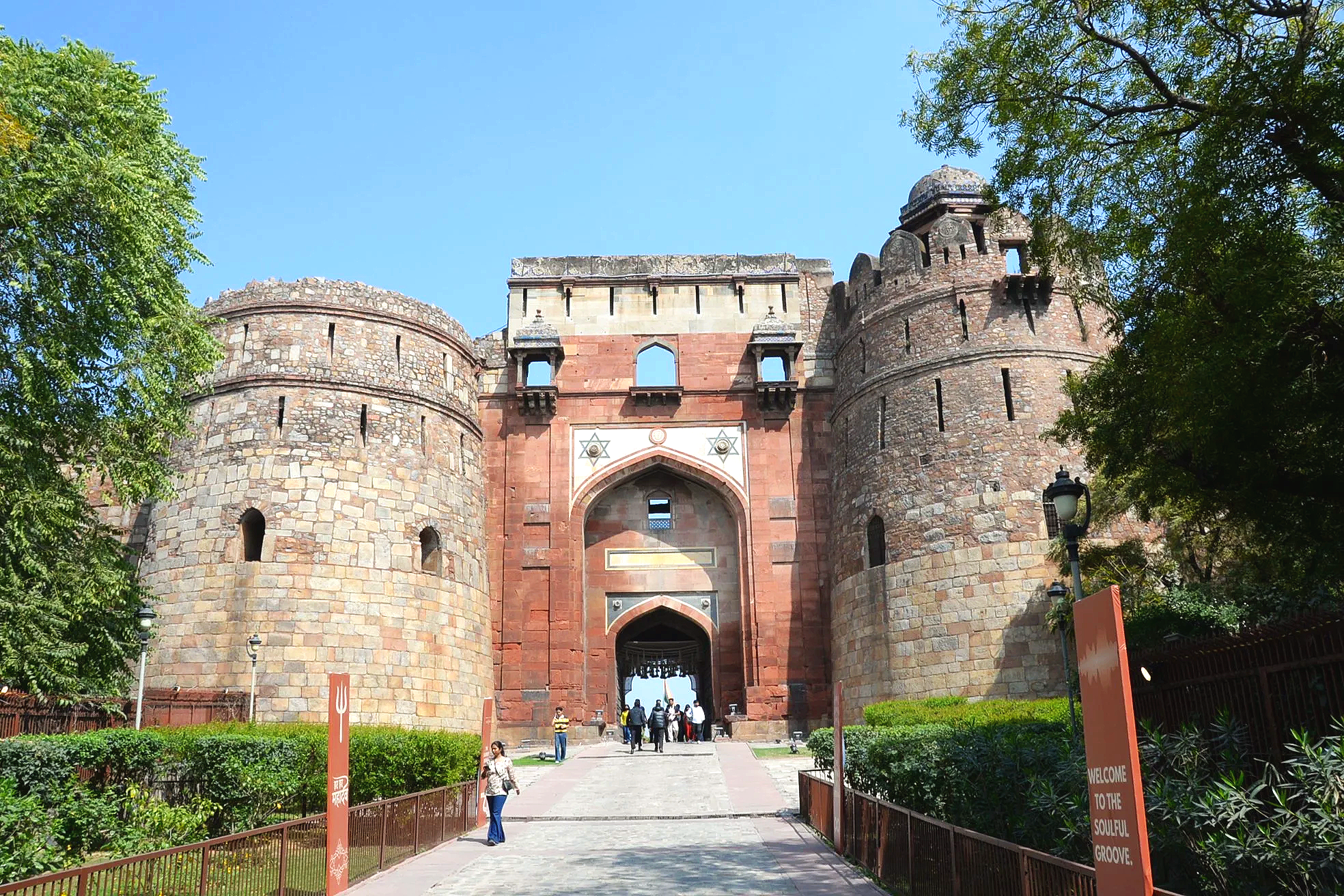
Built by the Mughal Emperor Humayun in 1538 with additions made by Sher Shah Suri, Old Fort has seen its share of historical drama. Most importantly, perhaps, it was the site of Humayun’s tragic accidental death in 1556, a victim, it could be said, of reading too much. As if that was a thing!
Agrasen Stepwell
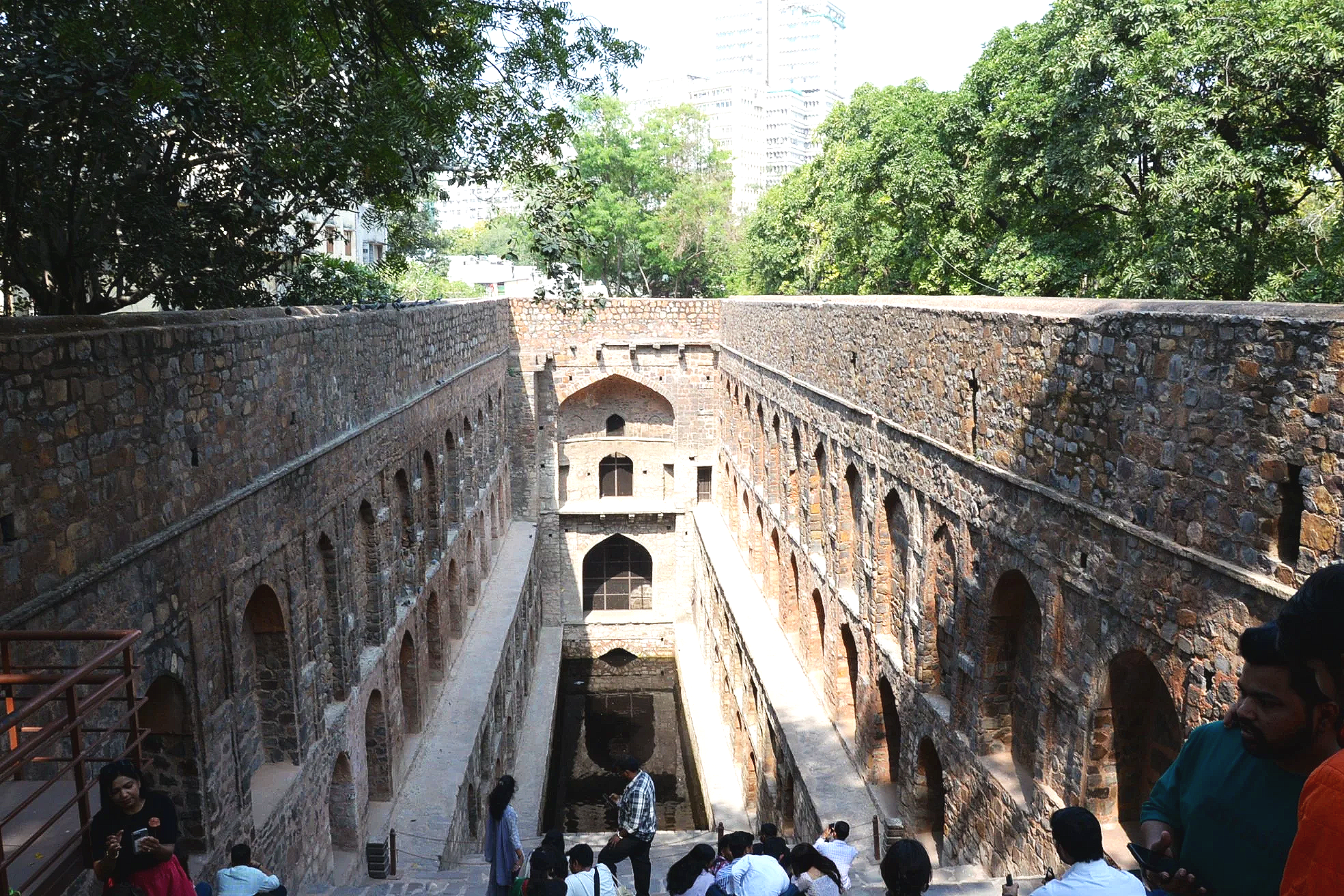
A VERY small gallery, yet this 500 year-old structure in New Delhi is representative of the type of water sources medieval Indian governments constructed for their people across the centuries. Popular with Bollywood as an iconic background for filming, locals claim the stepwell itself is actually haunted.
India Arch
Hallowed ground in New Delhi, the India Arch and national memorial to those lost in conflict are a poignant reminder of the great sacrifices made by Indian soldiers over the past century.