Cheongbukdong Toseong (청북동 토성)
Cheongbukdong Toseong is one of the oldest preserved fortifications on the Korean Peninsula. Located along the Miho River just north of the modern city of Cheongju, it is thought to have been constructed in the 3rd - 4th Centuries AD. Roughly square in layout, with gates facing each of the four cardinal directions, it is protected by walls of rammed earth which would have been topped by a wooden stockade for additional defense. The earthen walls are 3.5 meters in height and were surrounded on at least two sides by a double moat, parts of which are still distinguishable today. This toseong provides incredible insight into fortification on the Peninsula before and during the early stages of the Korean Three Kingdoms period. An easy day trip, its well worth a visit!
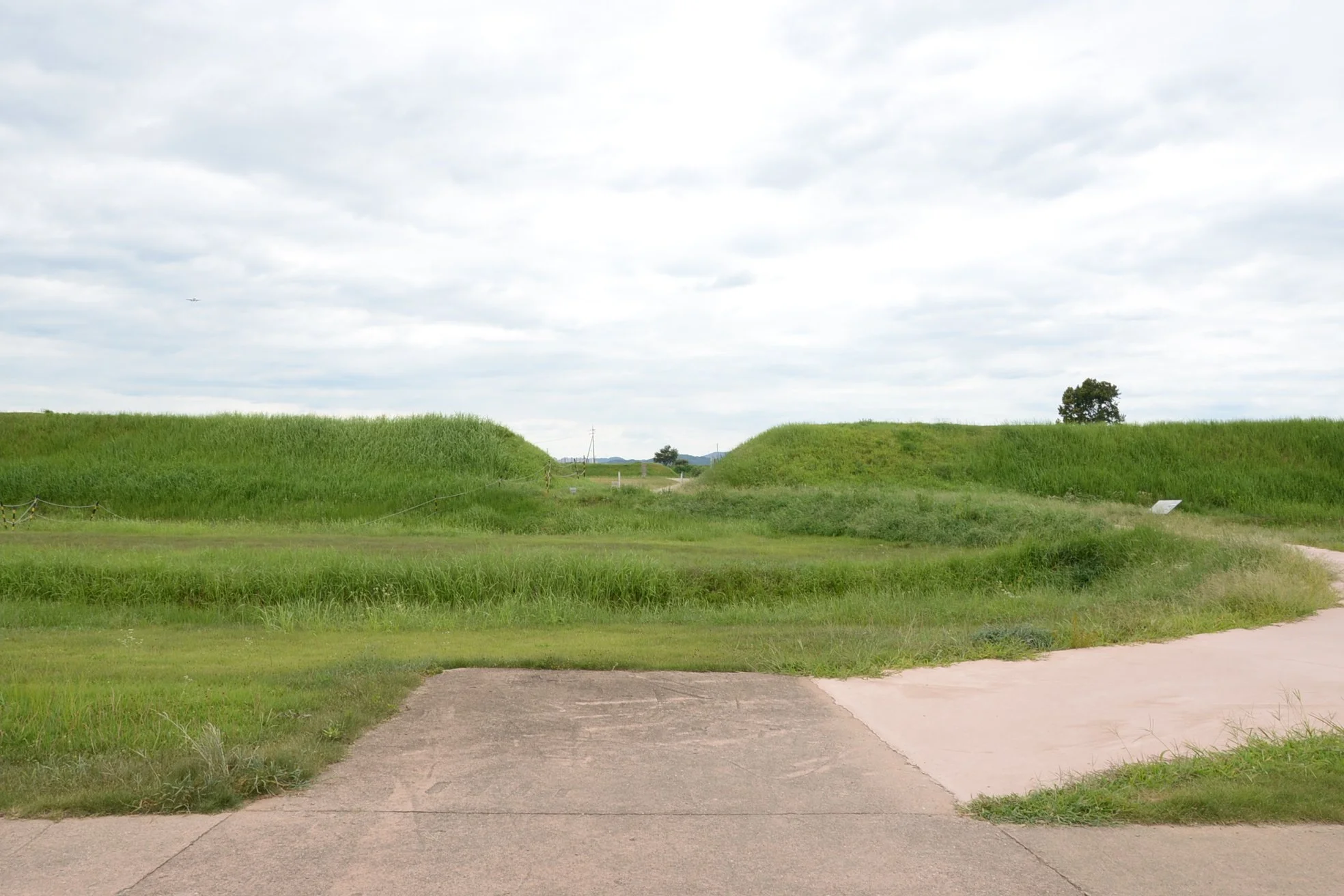
From the parking lot, it didn’t look like much. As with most earthen fortifications, 1,800 years worth of erosion takes a lot out of you! Still, the uniform shapes and obvious locations of ancient gates were visible even at that distance.
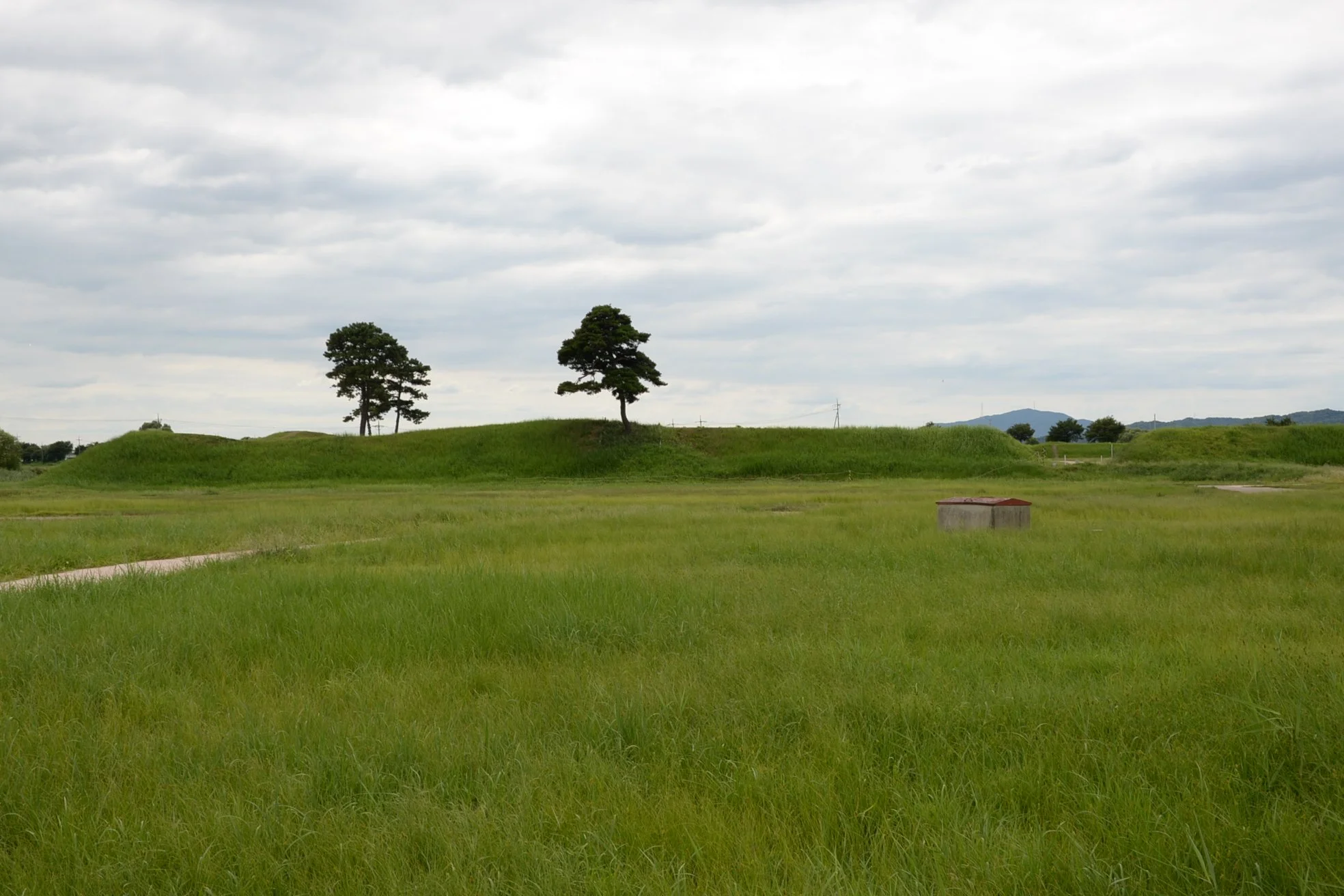
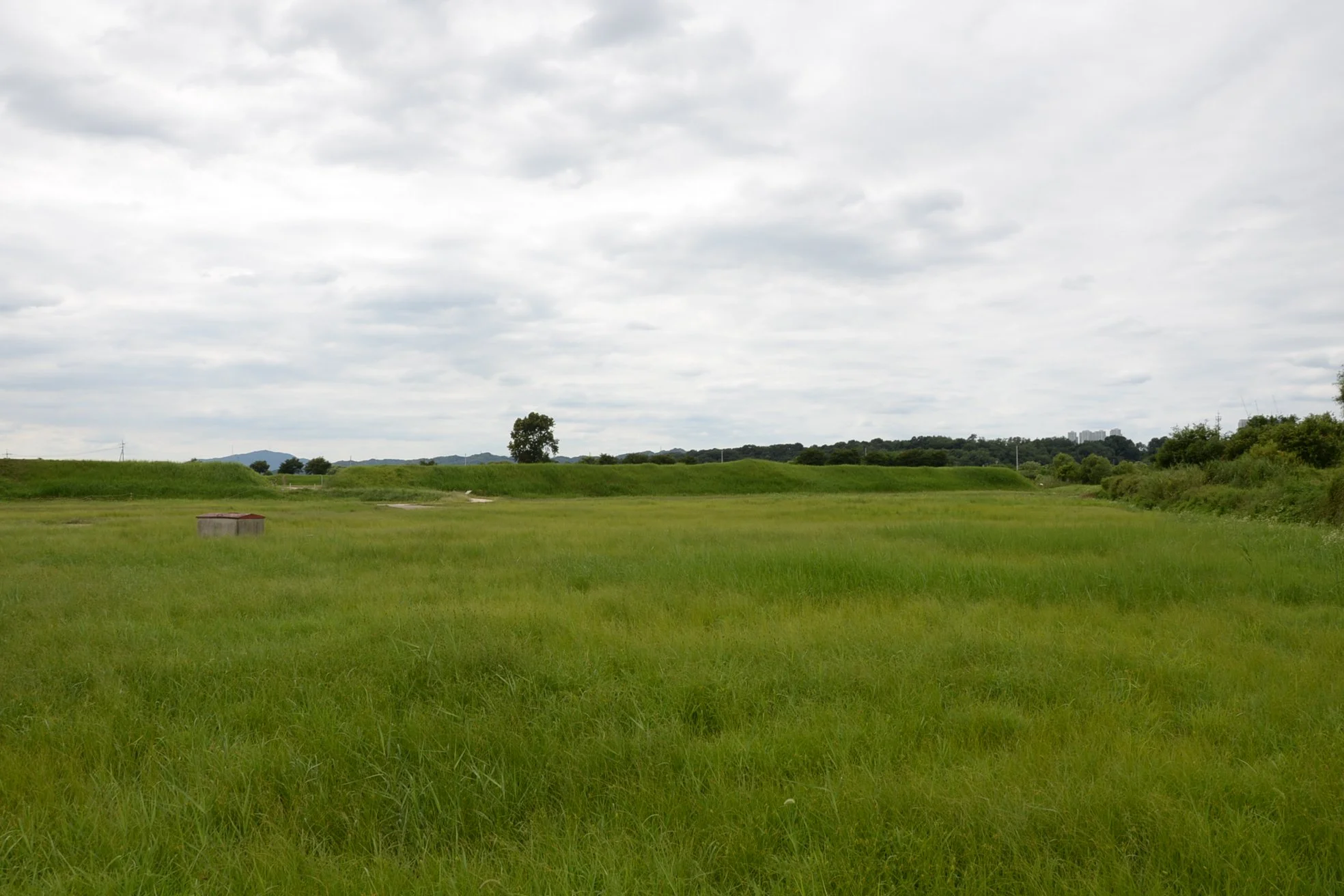
The closer we approached, however, the more the form of this ancient fortress emerged from the verdant green landscape all around.
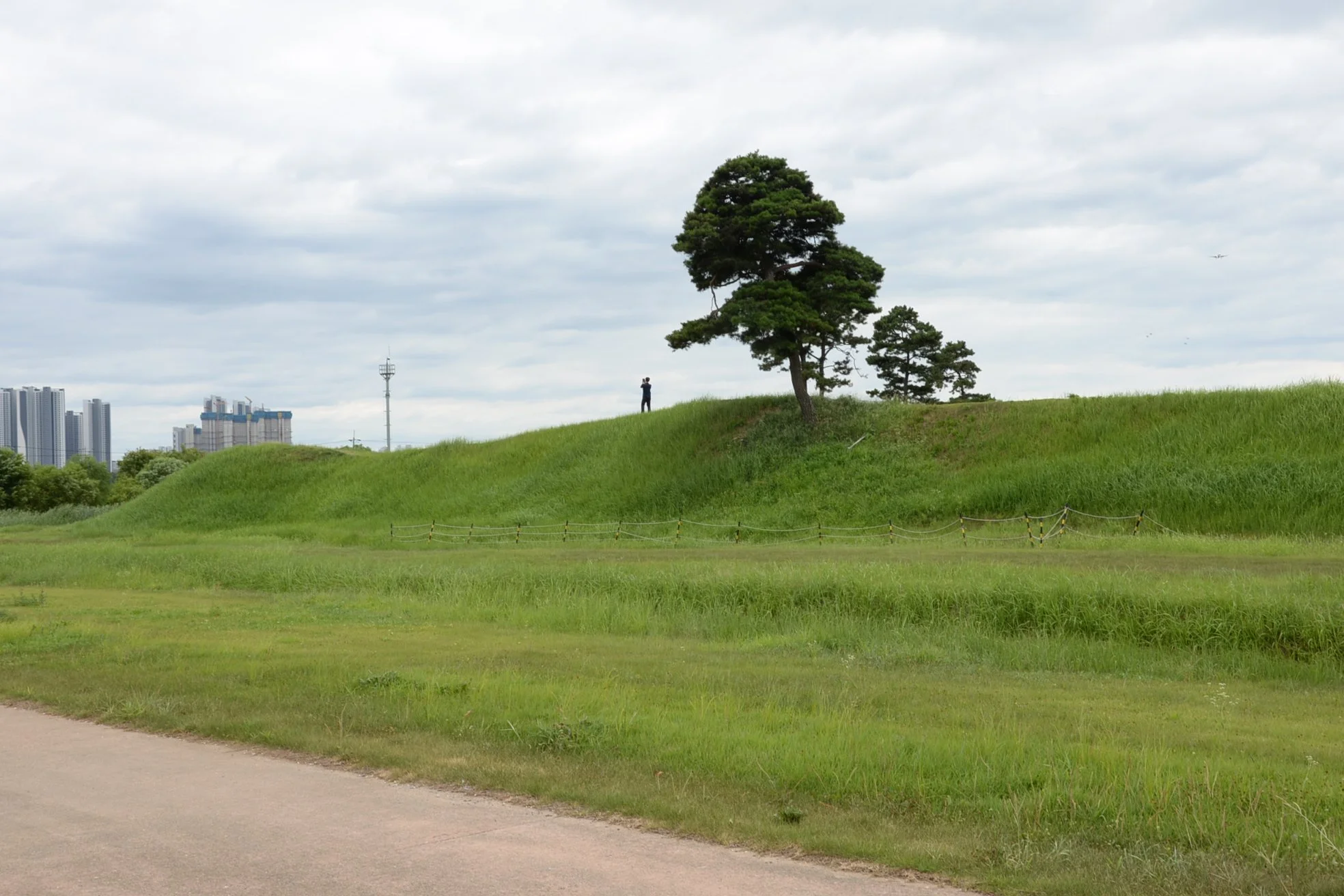
Looking south along the entry path at the eastern wall of the Toseong, or earthen fortress.
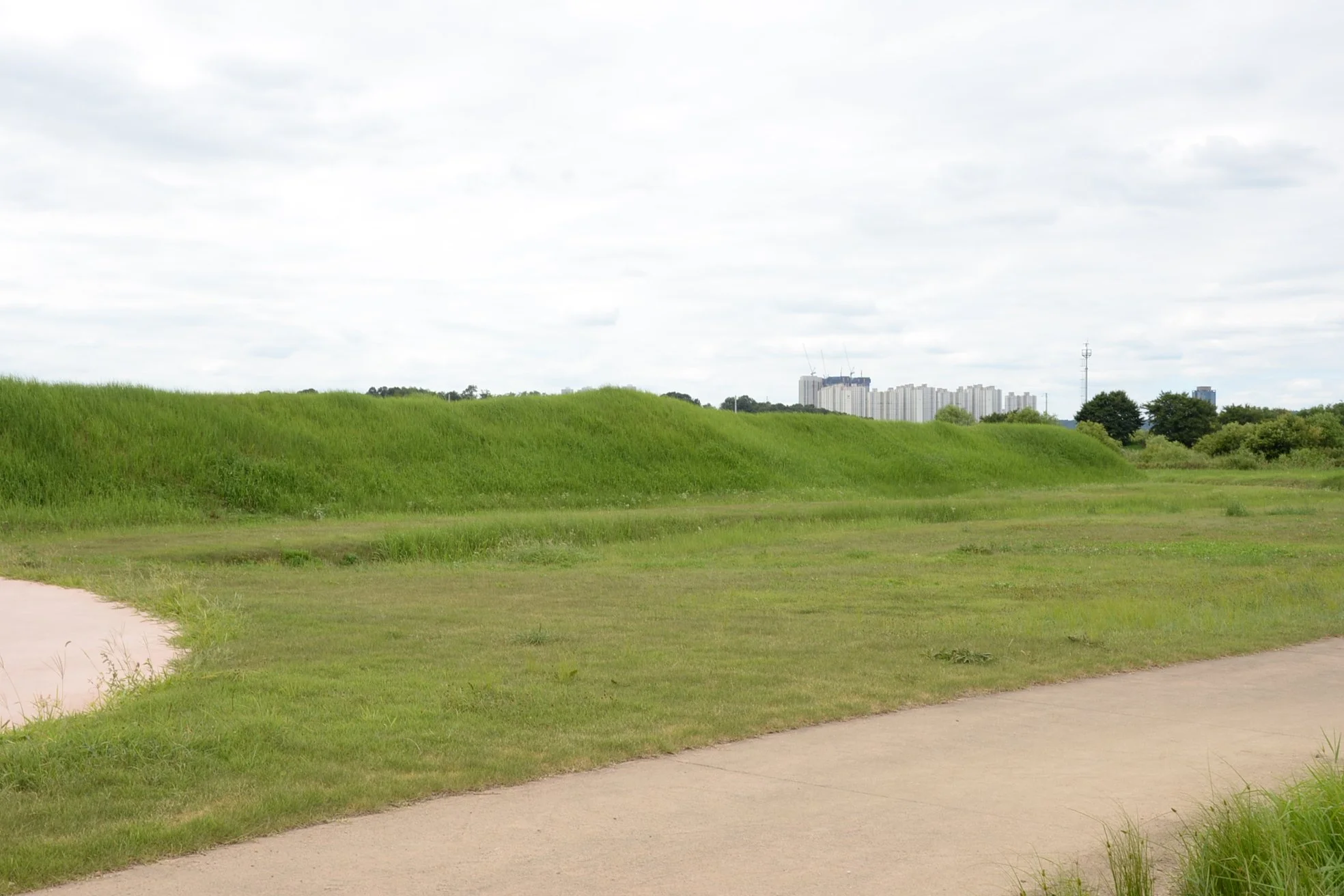
Looking north from the same spot. The fortress is a mere 625 meters in circumference and archaeologists continue to argue over its original purpose. In later centuries it was used to store and guard rice harvested from lowland farms until it could be taken to the more larger and more secure Sangdangsanseong 8 Km to the east.
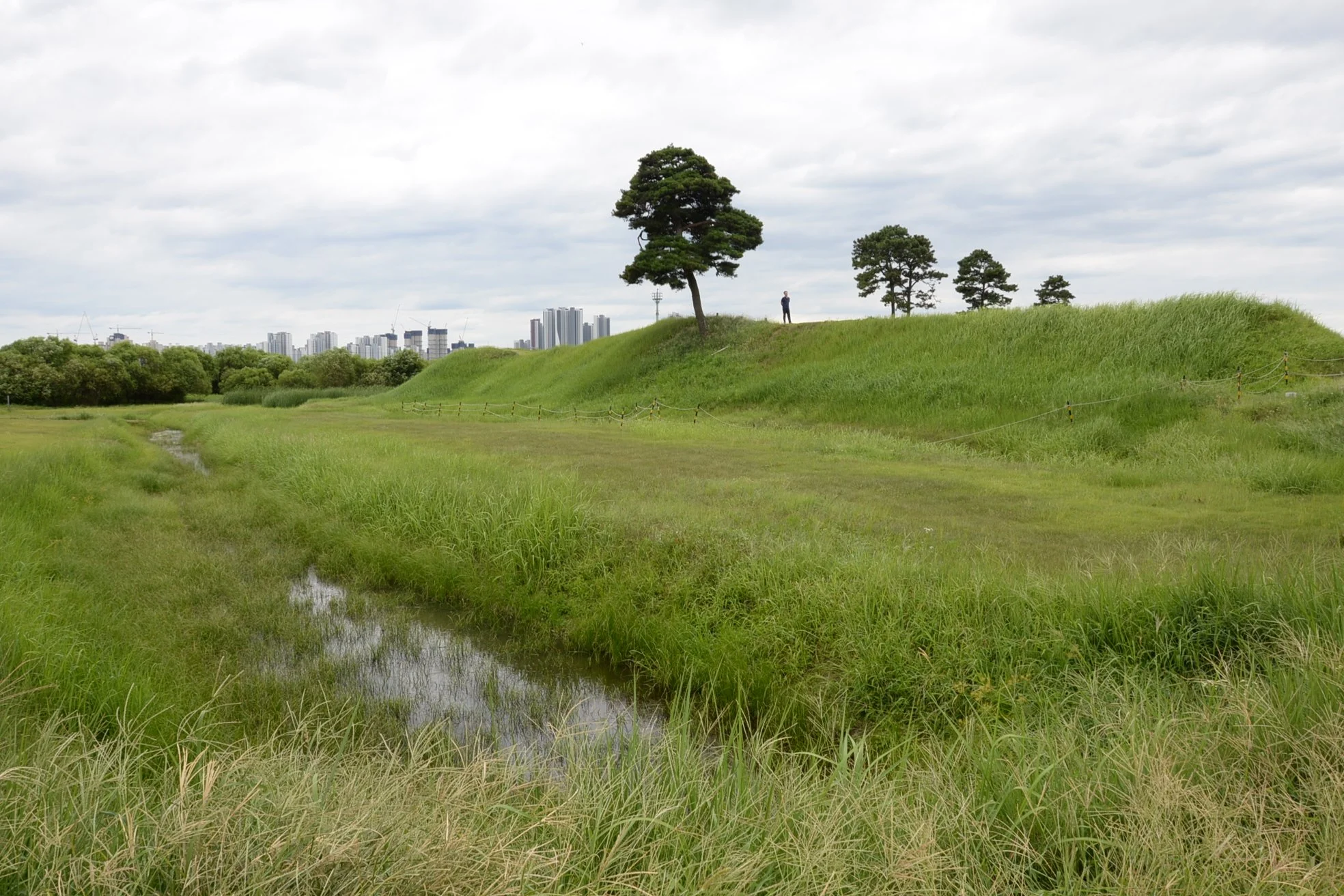
While most toseong—at least those constructed on flat ground—were presumed to feature wet and/or dry moats, this was the first one I’ve ever seen preserved. Even better, Cheongbukdong Toseong is protected by a double moat. This is the outer moat on the eastern wall.
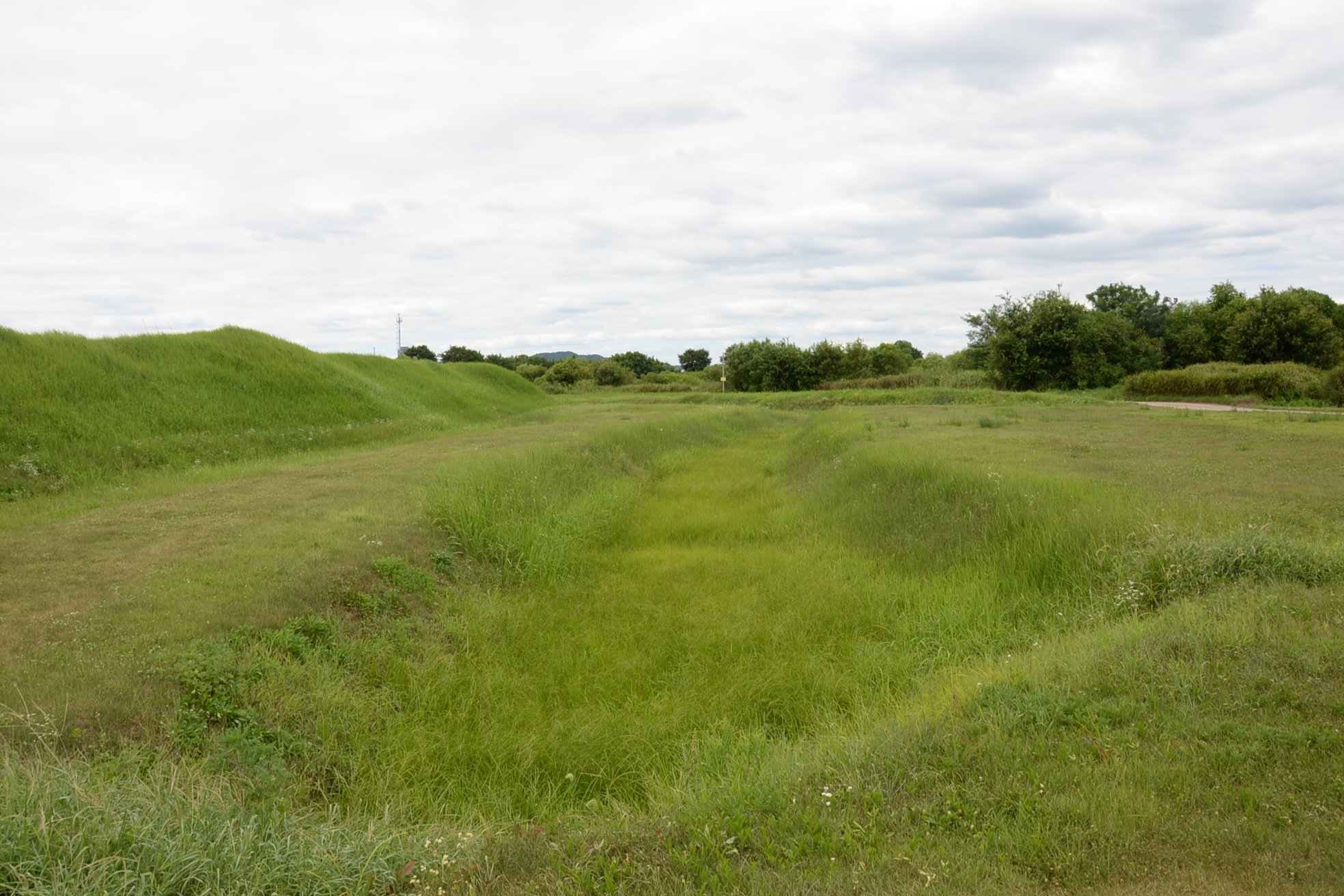
The eastern outer moat looking north. Some parts of the moat are wet, still fed by the local stream that feeds into the river. Other parts are dry, though its not clear if they were always thus.
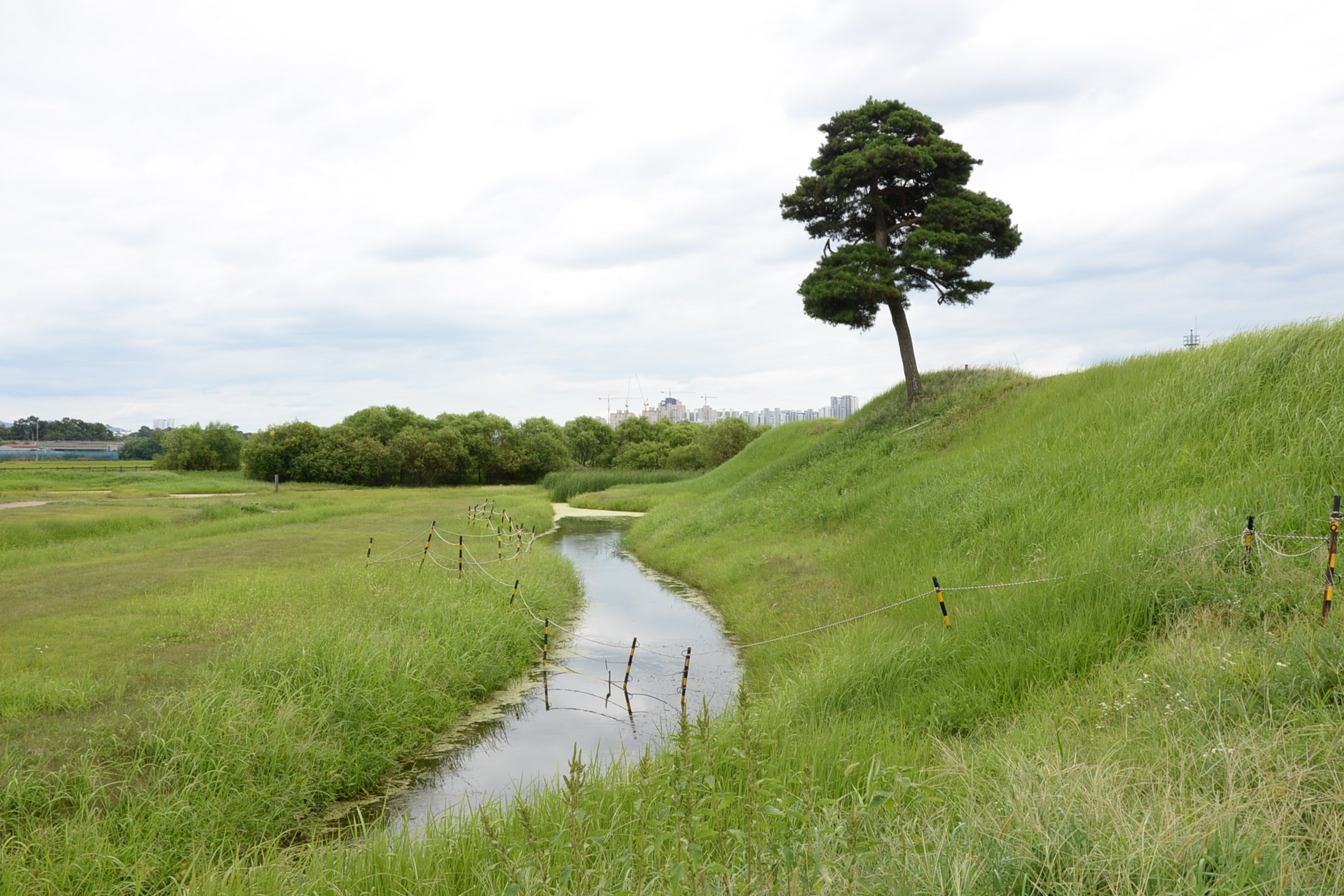
The inner eastern moat looking south along the wall.
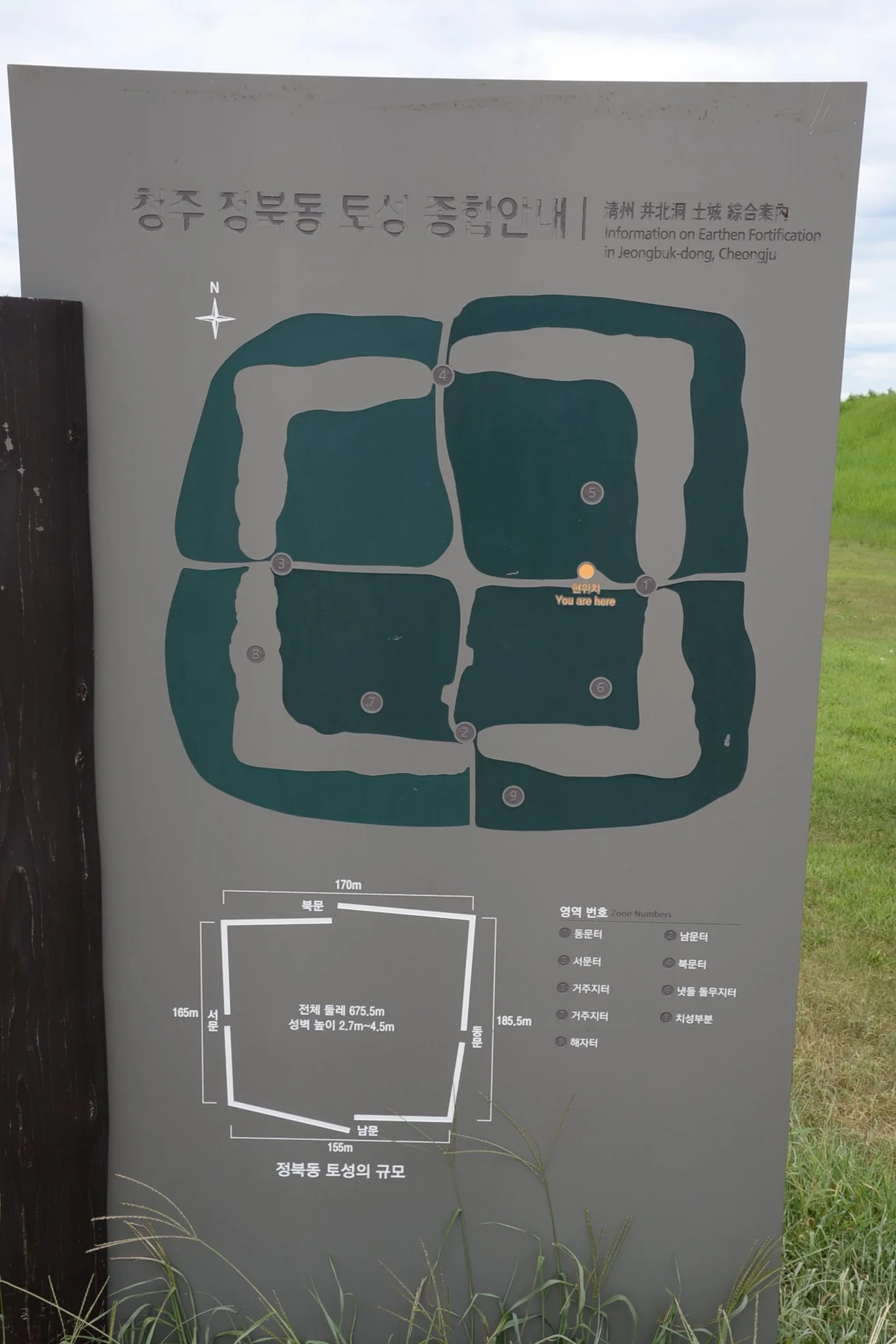
The map of the fortress shows an interesting design feature. The eastern and western gates are flush with the wall while both northern and southern portals are offset, requiring anyone entering to make an S-turn. This would become a distinctive feature of Japanese castles built from the 7th Century onward. In Korea, this type of entrance would evolve into the covered or double gates so evident in surviving fortresses like Suwon’s Hwaseong.
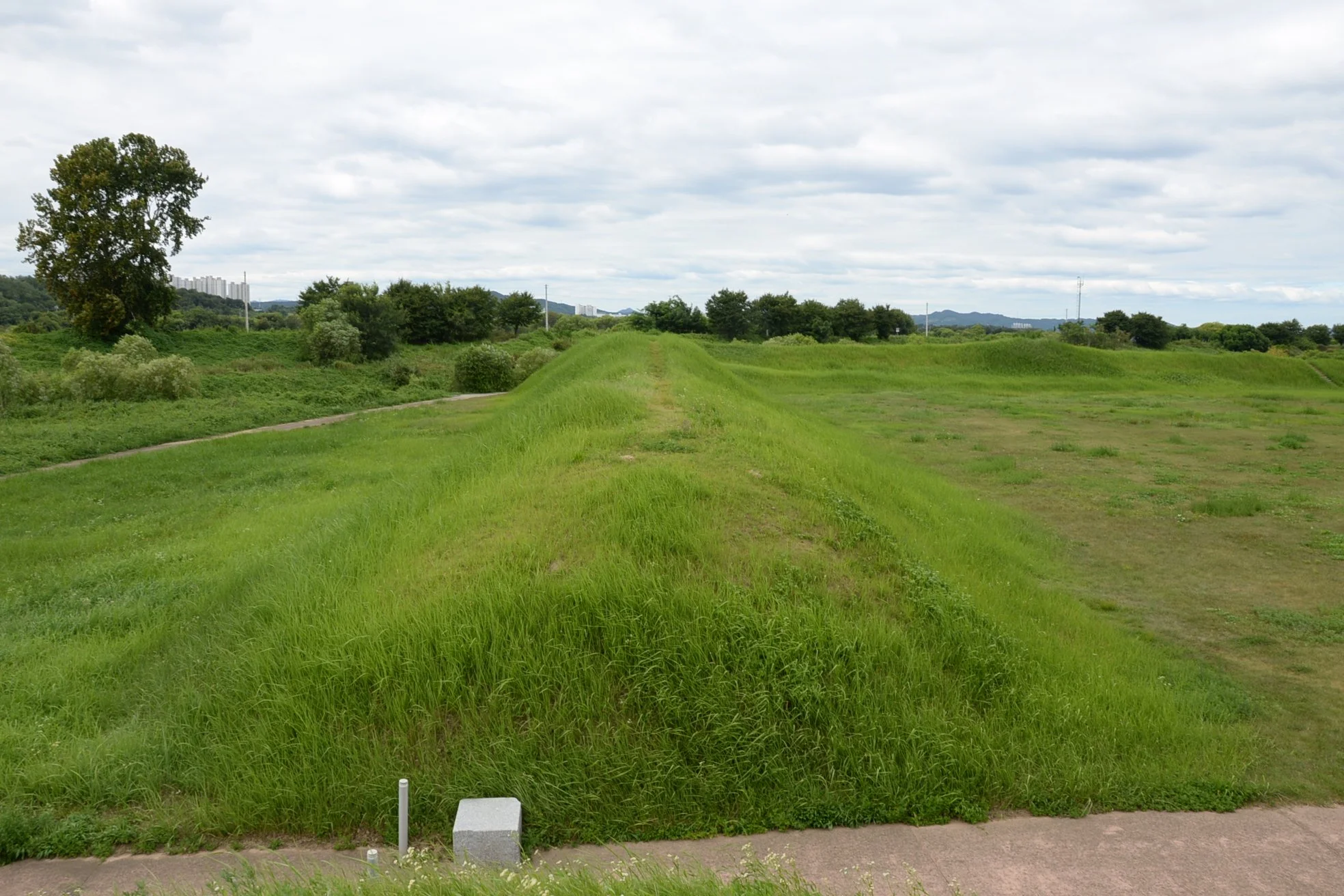
A good cross section of the western wall, looking down from the south side of the western gate. While this section appears fairly uniform in slope inside and out, the hint of a firing platform for archers can be seen inside the northern wall in the background.
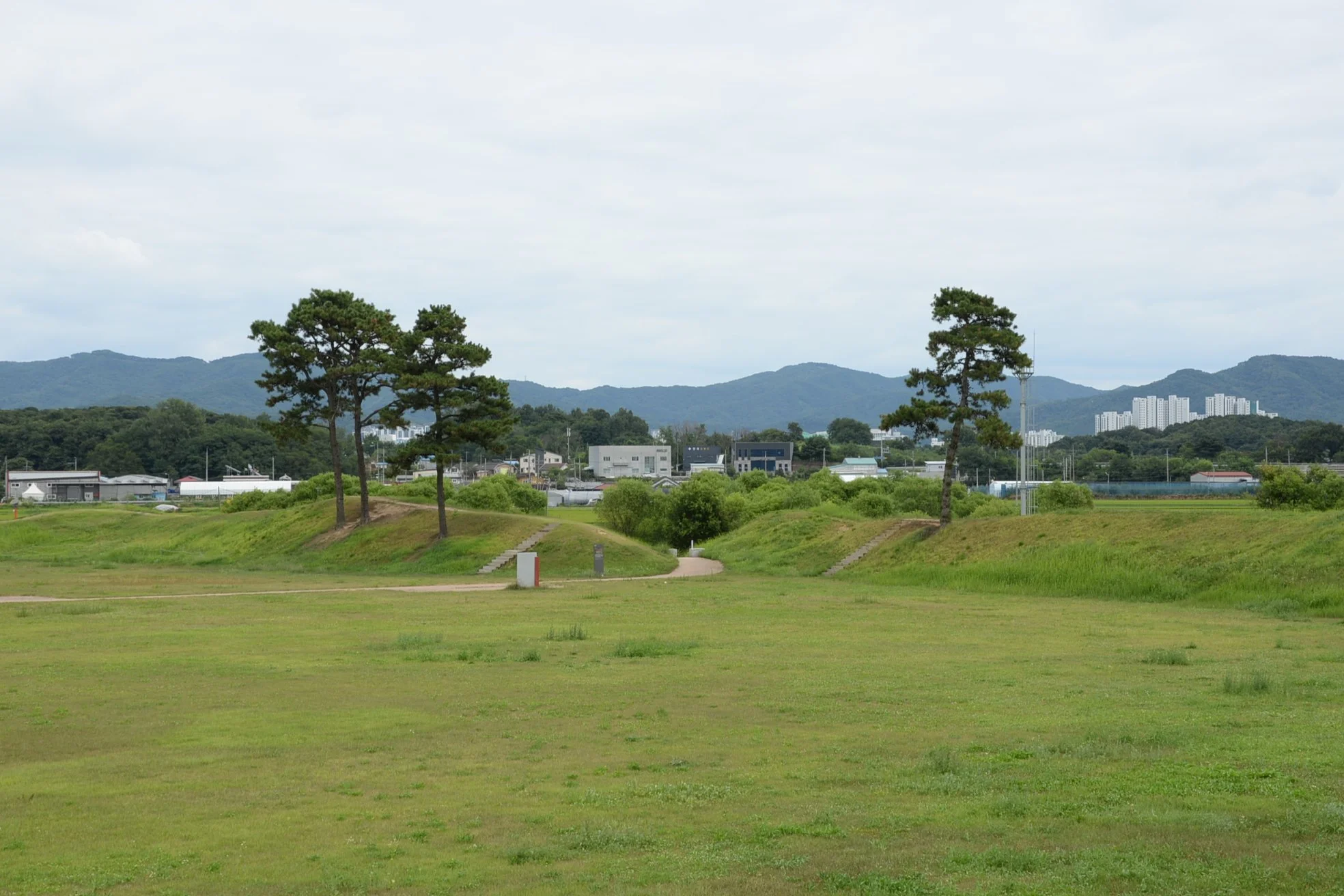
A view of the southern gate from inside the toseong.
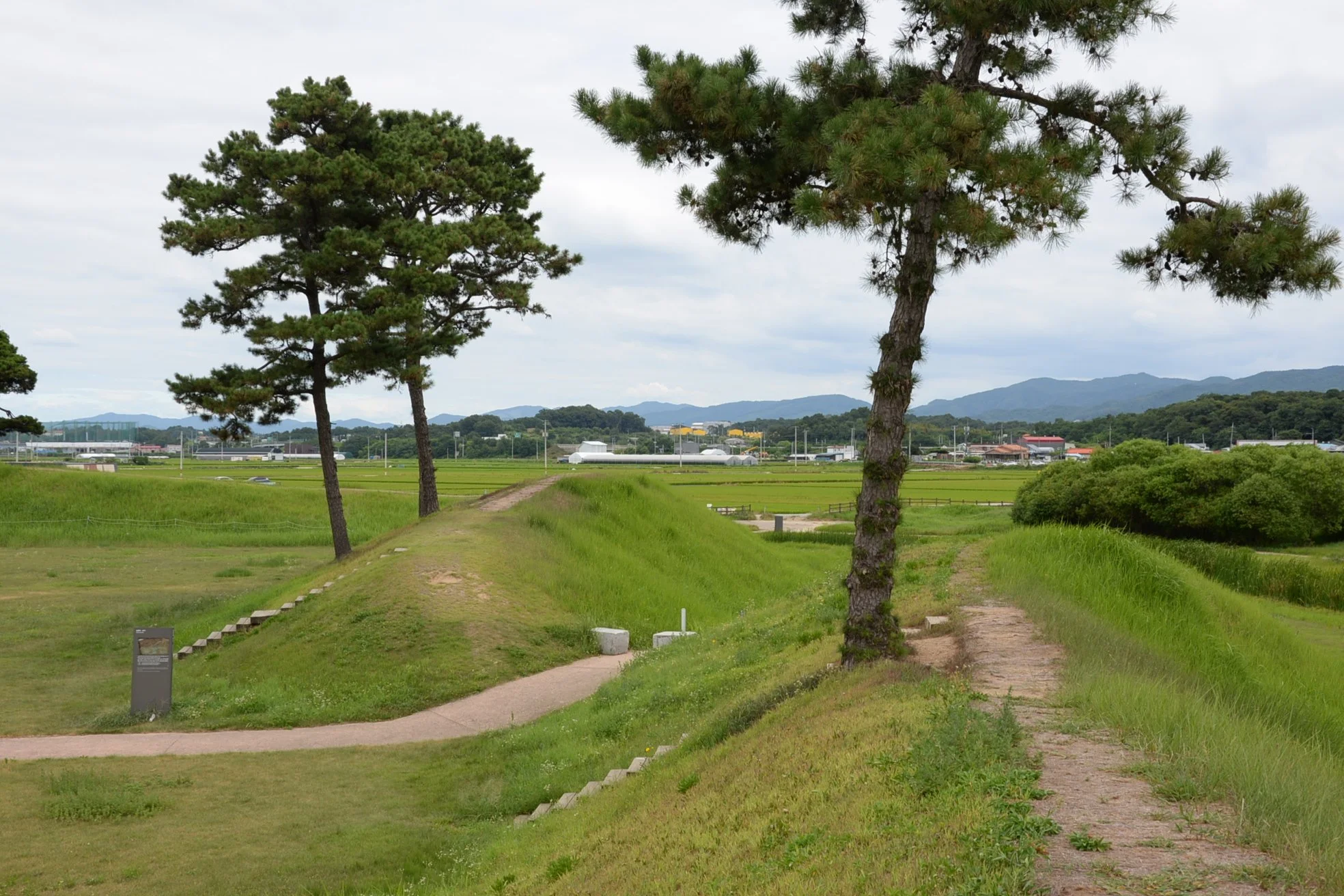
The offset southern gate. One might wonder how any rammed-earth construction built so long ago might survive the ravages of time. The soil contains high percentages of clay which, when systematically compacted and left out in the sun to dry for—I don’t know, a couple millennia—takes on the consistency of concrete. These walls are essentially multi-ton ceramic fixtures and thus stand up quite well to rain, wind, and even flooding. The sensation walking along the top of such walls is not that of following a dirt trail. It feels every bit as solid as the paved paths down below.
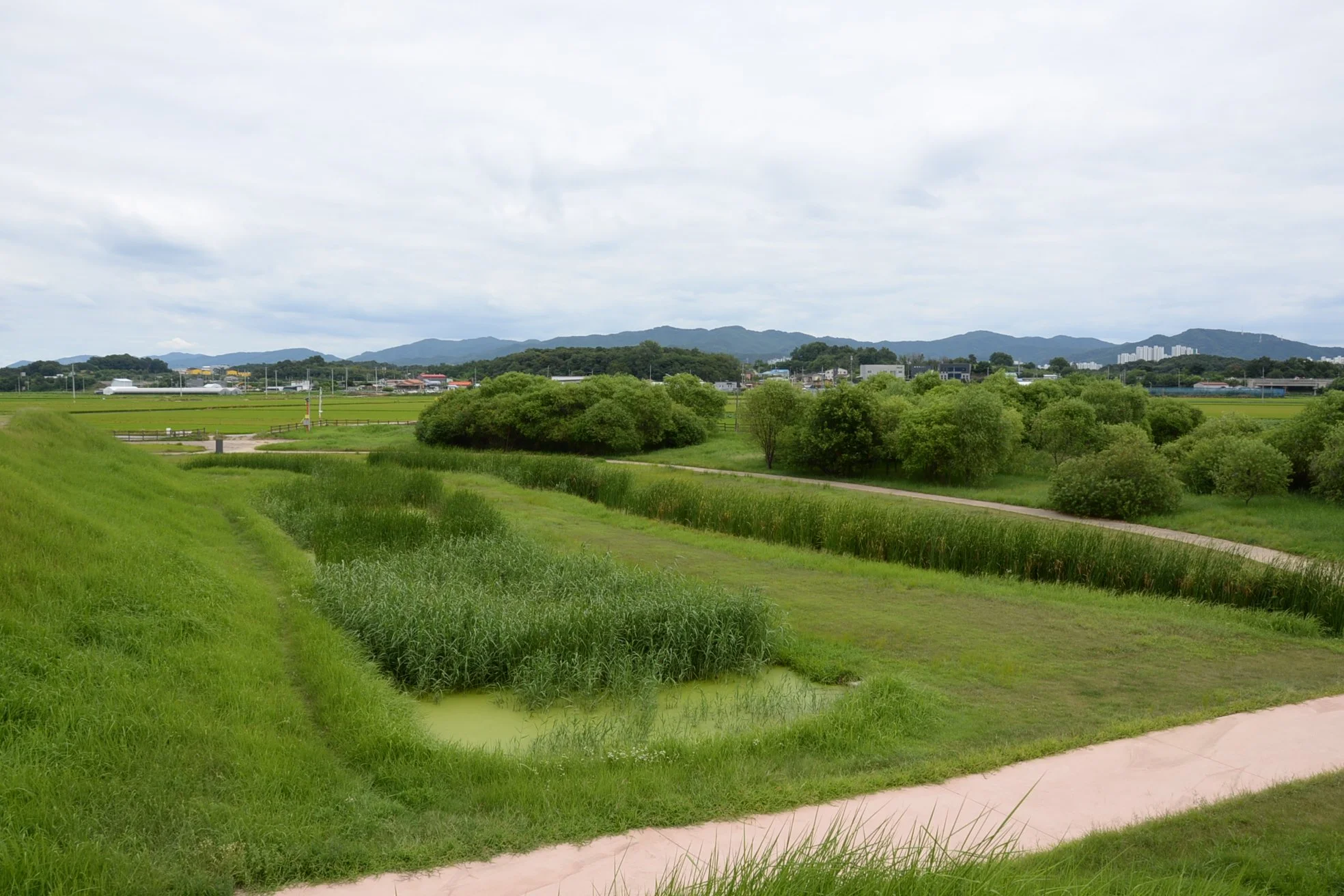
A look at the double moat protecting the southern gate. Both remain wet and the inner moat here is much wider than anywhere else.
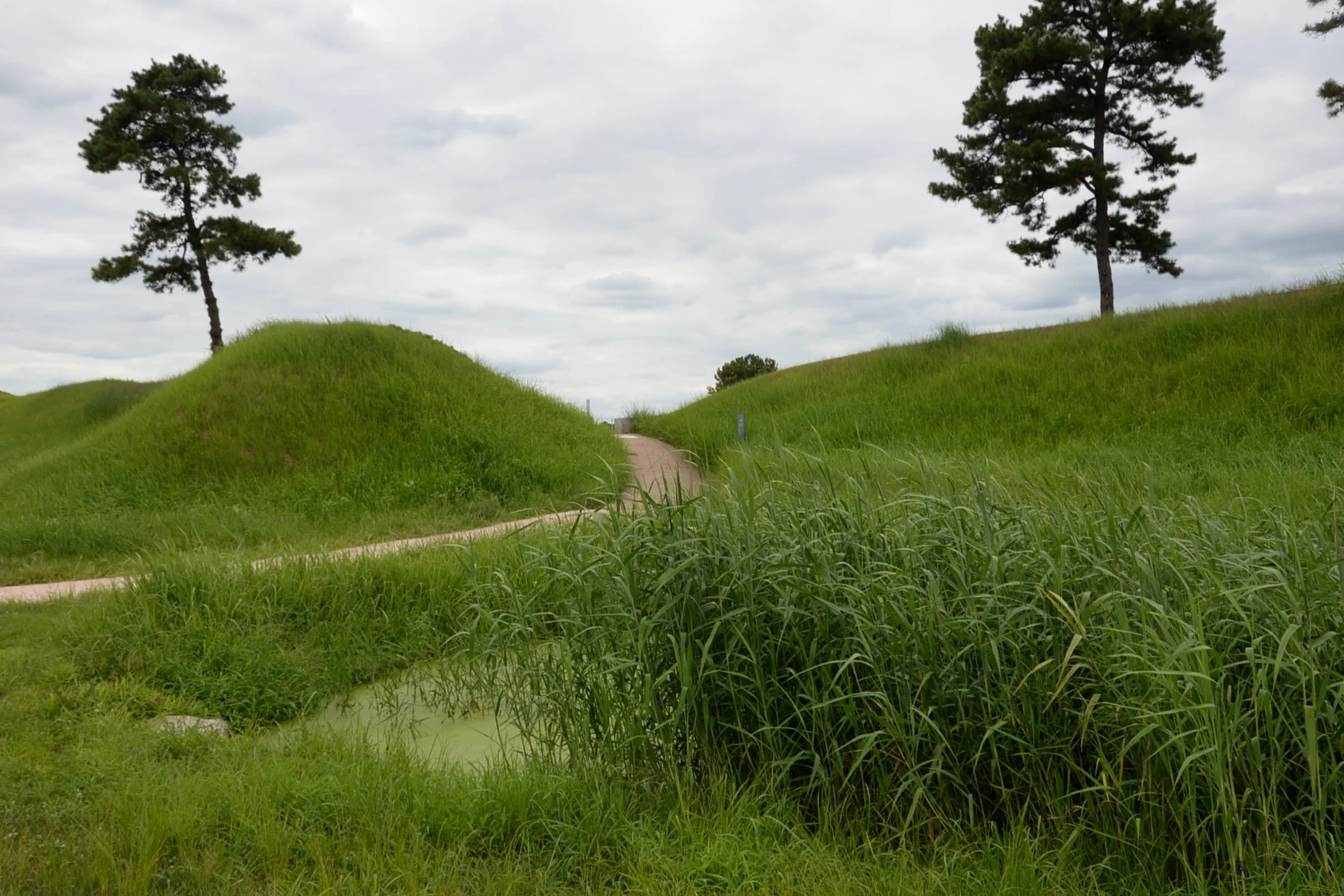
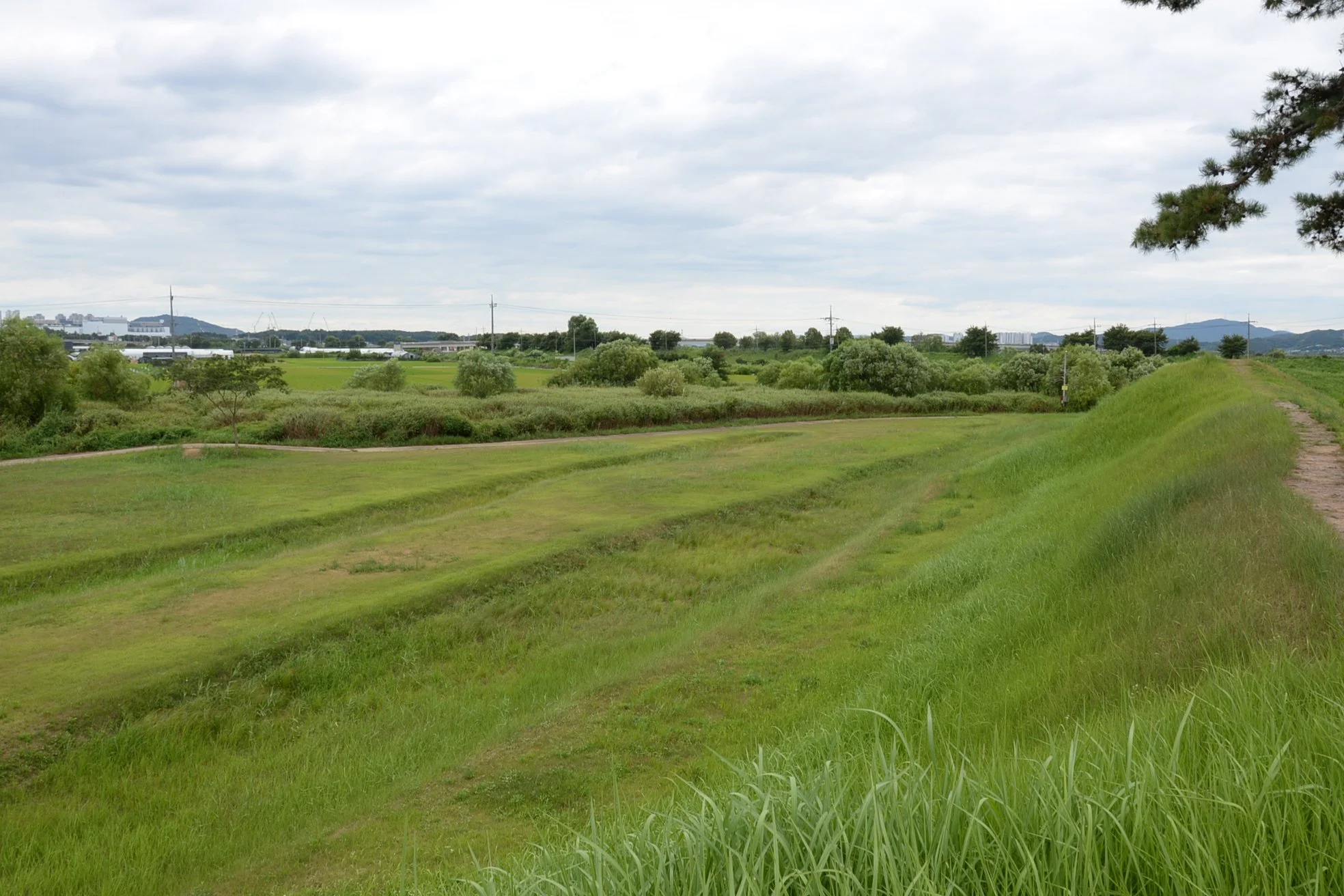
Looking west from the southern gate, the indentations of the double moat are clear. These look like ditches but were constructed the same way as the fortress walls, of compacted, clay-infused dirt and thus have retained their shapes over the succeeding millennia.
A short video survey taken from the southwestern corner of Cheongbukdong Toseong.